


Well, folks, gather ’round because today we’re diving deep into the world of precious metals and the trusty vessels that help us navigate these tumultuous financial waters. The burning question on everyone’s minds: Is Hero Bullion really all that reputable? Buckle up, because I’m about to put on my detective hat and uncover the truth, just like in one of my zany movie roles.
Now, before we go any further, let’s get something straight: Hero Bullion is no superhero, but it’s aiming to be your go-to source for all things precious metals. Whether you’re a seasoned investor or a newbie looking to dip your toes into the shimmering sea of gold, silver, and other precious metals, knowing who you’re dealing with is paramount. You don’t want to end up with a Riddler-level conundrum on your hands, do you? So, let’s break it down.
About Hero Bullion
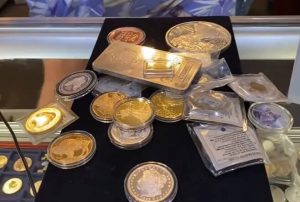
Hero Bullion, for those of you who might not be in the loop, is a company that deals in precious metals. Think gold, silver, platinum, and palladium. They offer a wide array of products, from coins and bars to rounds and jewelry. Sounds shiny and promising, right? Well, we’re not jumping to conclusions just yet. We’re here to scrutinize, after all.
You may also find it helpful to read the Hero Bullion review. They spent dozens of hours investigating the company to write that report.
Related: I Bought Gold – Not Just for the Shine, but for Sanity
Let’s Talk About Reputation
When you’re exploring the credibility of a company, one of the first things you want to do is check out its reputation. And trust me, reputation is everything. It’s like your currency in the business world. If a company doesn’t have a good reputation, it’s like trying to inflate a balloon with a hole in it – not gonna get very far, my friends.
So, what’s the word on the street about Hero Bullion’s reputation? Well, let’s just say the street is buzzing. They’ve been around for a while, and they’ve managed to build a decent following. People have taken notice, and that’s a good sign. But I’m not one to rely solely on word of mouth. We’re going to dig a little deeper.
The Hero Bullion Story
Every reputable company has a story, a tale of their journey through the maze of commerce. Hero Bullion, it turns out, has a rather intriguing story to tell. Founded by a group of folks who are passionate about precious metals, they set out to create a platform that would make it easier for people like you and me to buy and sell these valuable commodities.
They claim to be committed to transparency and customer satisfaction, and those are mighty big words. But as any seasoned detective will tell you, words alone don’t hold much weight – we need evidence.
The Reputation Investigation
Here’s where it gets interesting, folks. We’ve got our magnifying glass, our notepad, and a dash of skepticism. Let’s investigate Hero Bullion’s reputation from all angles.
1. Customer Reviews
When you are new to gold investing it’s hard to know how to choose a precious metals investment partner, that is why the first place we usually turn to is customer reviews. After all, who better to tell us about a company’s reputation than the people who’ve dealt with them firsthand? Now, it’s important to remember that no company is perfect, and even the most reputable ones can have a disgruntled customer or two. But what we’re looking for is a pattern.
As I scoured the internet for reviews, I found a mix of opinions about Hero Bullion. Some folks praised their competitive prices, prompt shipping, and overall smooth transactions. Others, however, had less than stellar experiences, citing issues with customer service and delayed deliveries.
Here’s where things get tricky. It’s not uncommon for online businesses to have some negative reviews, but it’s the company’s response that really matters. Hero Bullion seems to be actively engaging with customers on various platforms, trying to resolve issues and maintain a positive image. That’s a point in their favor.
2. Better Business Bureau (BBB)
Now, the Better Business Bureau is like the watchdog of the business world. They track companies’ performance, handling complaints, and providing ratings based on their findings. Hero Bullion, as it turns out, has a BBB accreditation with an A+ rating. That’s a gold star in the world of business, my friends.
But hold on, don’t put on your trusty cape just yet. It’s essential to consider the entire picture. While an A+ rating is impressive, it doesn’t mean Hero Bullion is immune to customer issues. They’ve had their fair share of complaints and disputes, but what matters here is how they’ve addressed these concerns. From what I’ve seen, they seem to be taking steps to resolve issues and improve customer satisfaction.
3. Trustpilot and the Trust Factor
Trustpilot is another platform where people can leave reviews about their experiences with a company. Hero Bullion has a presence there, too. As I dug into the reviews, I noticed a mix of opinions, much like what I found on other review sites. Some customers were singing their praises, while others were more critical.
What stood out to me, though, was that Hero Bullion was actively responding to these reviews, both positive and negative. They’re not just sweeping complaints under the rug; they’re addressing them head-on. That shows a willingness to improve and a commitment to customer satisfaction.
4. The Business of Transparency
One thing I appreciate about Hero Bullion is their commitment to transparency. They provide detailed information about their products, pricing, and policies on their website. That’s a big plus when it comes to earning trust in the precious metals business.
They also have a blog and educational resources, helping customers make informed decisions about their precious metal investments. This commitment to education and transparency is a sign of a company that wants its customers to be well-informed and confident in their choices.
So, where do we stand on Hero Bullion’s reputation at this point in our investigation? Well, it’s a mixed bag, my friends. They’ve got their fair share of positive reviews and a solid A+ rating from the BBB. However, they’ve also faced their share of complaints.
What’s important to note is their active engagement with customers and their efforts to address issues. It’s like a superhero coming to the rescue when things go awry. But, and it’s a big but, we’re not done yet. There’s more to uncover, and I’ll be back with the second half of our investigation to give you the full picture. Stay tuned, folks, because the hero’s journey isn’t over just yet.
Now, we’ll continue our journey down the rabbit hole to give you the complete picture. But first, let’s tackle some burning questions that have been buzzing in your minds.
FAQs About Hero Bullion
1. Is Hero Bullion a Legitimate Business?
Absolutely! Hero Bullion is a legitimate precious metals dealer. They’ve been around for quite some time and have garnered a fair share of customers. Their BBB accreditation and A+ rating are further indicators of their legitimacy. But as with any business, it’s crucial to do your due diligence before making any transactions.
2. Can I Trust Hero Bullion with My Precious Metals Investments?
Trust is earned, my friends, and Hero Bullion is actively working to earn it. While they have their share of both positive and negative reviews, they seem dedicated to addressing customer concerns and improving their services. The key is to stay informed, read reviews, and make your judgment based on your needs and preferences.
3. Are Their Prices Competitive?
Hero Bullion’s pricing appears to be competitive in the precious metals market. Of course, prices can fluctuate with market conditions, so it’s wise to compare their rates with other reputable dealers before making a purchase.
4. How’s Their Customer Service?
Here’s where things get a bit tricky. Customer experiences with Hero Bullion’s customer service vary. Some customers have reported positive interactions, while others have encountered issues. What stands out is the company’s active engagement with customers on various review platforms, showing a commitment to resolving issues and improving customer satisfaction.
5. Do They Offer a Wide Range of Products?
Yes, Hero Bullion offers a diverse range of precious metal products. From coins and bars to rounds and jewelry, they cater to different tastes and investment strategies. Their selection should appeal to both collectors and investors.
The Verdict: Hero Bullion Unmasked
Now, let’s get down to brass tacks, or should I say, precious metal ingots. Is Hero Bullion reputable? Well, it’s time for the final reveal, my friends.
Hero Bullion, like any company, has its strengths and weaknesses. They have a reasonably solid reputation, as evidenced by their BBB accreditation and A+ rating. They also actively engage with customers, demonstrating a willingness to address concerns and improve their services.
However, they’re not without their flaws. Some customers have reported issues with customer service and delivery times. While these concerns should not be taken lightly, it’s important to consider the context and the company’s efforts to address them.
So, where does this leave us? Hero Bullion is a legitimate precious metals dealer that has room for improvement in certain areas, particularly in the realm of customer service. If you’re considering doing business with them, it’s essential to weigh the pros and cons and decide if their offerings align with your investment goals.
Remember, my friends, in the world of precious metals, knowledge is your most potent weapon. Educate yourself, read reviews, compare prices, and make informed decisions. And if you’re ever in doubt, consult with a financial advisor or expert to guide you on your precious metal journey.
In Conclusion: The Hero’s Ongoing Journey
Our quest to unmask the reputation of Hero Bullion has brought us to this juncture. We’ve explored the highs and lows, the shining moments and the shadows. Hero Bullion is not a flawless hero, but they’re not a villain either. They’re a company on a quest to earn the trust of their customers and improve their services.
In this ever-evolving world of precious metals, reputations can change, heroes can rise, and villains can reform. Keep an eye on Hero Bullion and their journey. They might just surprise us all.
As for you, dear reader, I leave you with this parting wisdom: Be the hero of your own financial journey. Make informed decisions, seek knowledge, and never stop questioning. The world of precious metals is full of mysteries, but with the right information and a touch of skepticism, you can navigate it like a true champion.